LIFEANO 给生活另一种可能
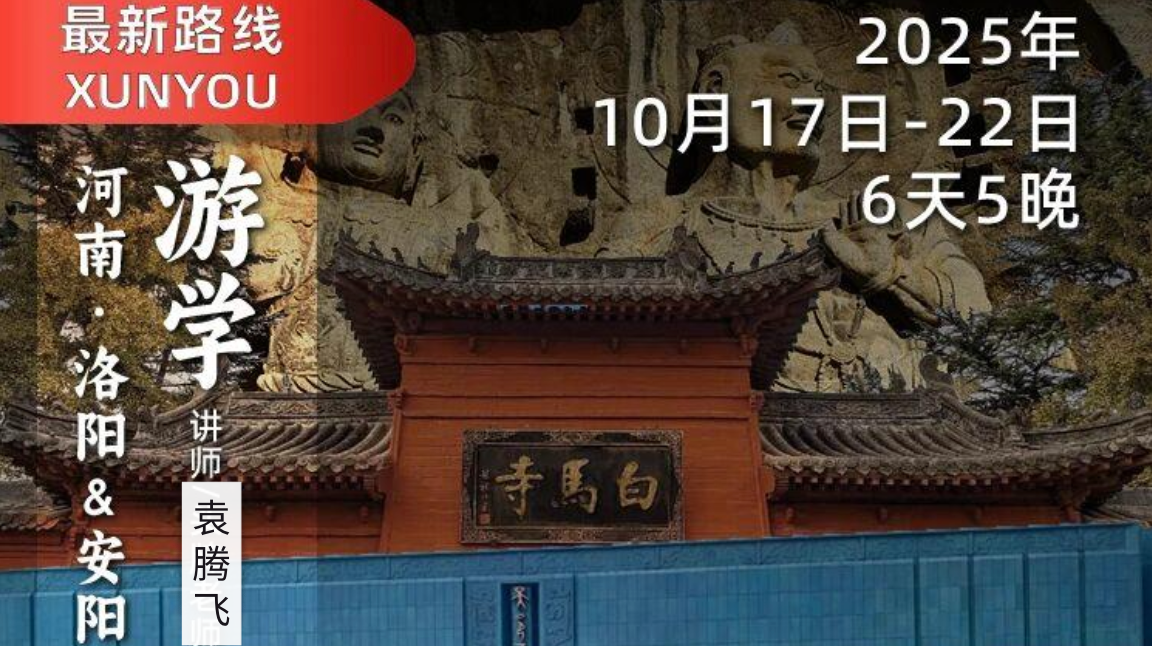
October 17-22, 2025 | Exploring Luoyang: Teacher Yuan Tengfei will guide you to explore Luoyang and Anyang, and experience the magnificent history and culture of China over three thousand years!
October 17-22, 2025 | Exploring Luoyang: Teacher Yuan Tengfei will guide you to explore Luoyang and Anyang, and experience the magnificent history and culture of China over three thousand years!
Out of stock
Couldn't load pickup availability
Henan
It is a place where one can witness the birth and peak of civilization.
It is also a treasure trove that all history lovers linger in.
Study tour to Luoyang & Anyang with top teachers
Examining Chinese civilization from a completely new perspective
Behind the ruins and artifacts
Tell their legendary stories
Gaining insight into the lineage of Chinese civilization
Teacher in charge
Teacher Yuan Tengfei
Hailed by fans as "the best history teacher in history"
NO.1—Luoyang Museum

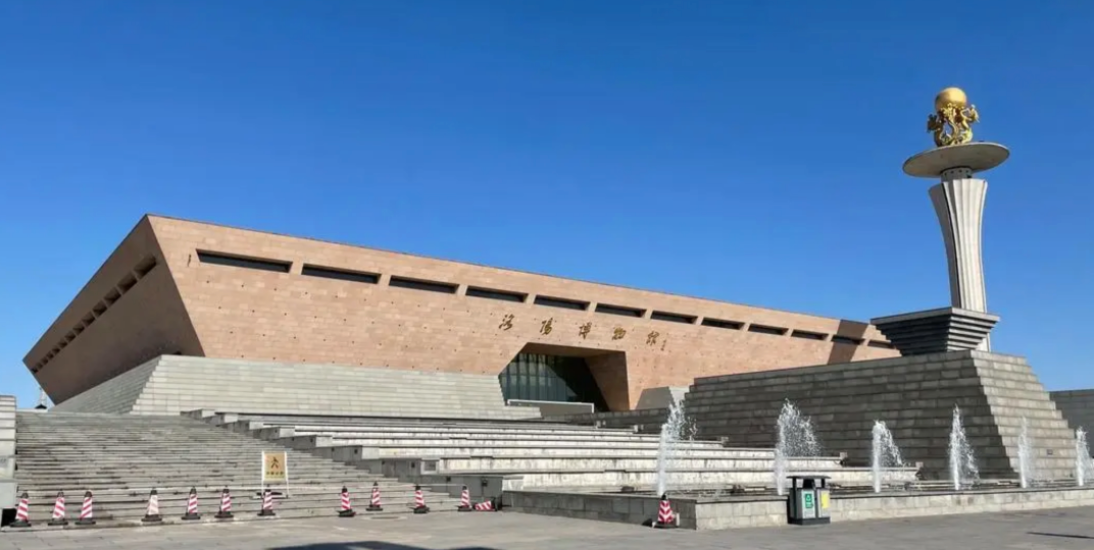
Founded in 1958, it is a comprehensive museum integrating functions such as cultural relic collection, scientific research, exhibition, social education, and cultural exchange. It covers an area of 300 mu (approximately 20 hectares) with a building area of 62,000 square meters, including 42,000 square meters above ground and 20,000 square meters underground. Currently, it features a large-scale permanent exhibition, "Heluo Civilization," and six thematic exhibitions: "Treasures Exhibition," "Han and Tang Dynasty Pottery Figurines Exhibition," "Tang Sancai (Tang Tri-color Glazed Pottery) Exhibition," "Court Cultural Relics Exhibition," "Stone Carving Art Exhibition," and "Calligraphy and Painting Exhibition."
NO.2—Guan Lin

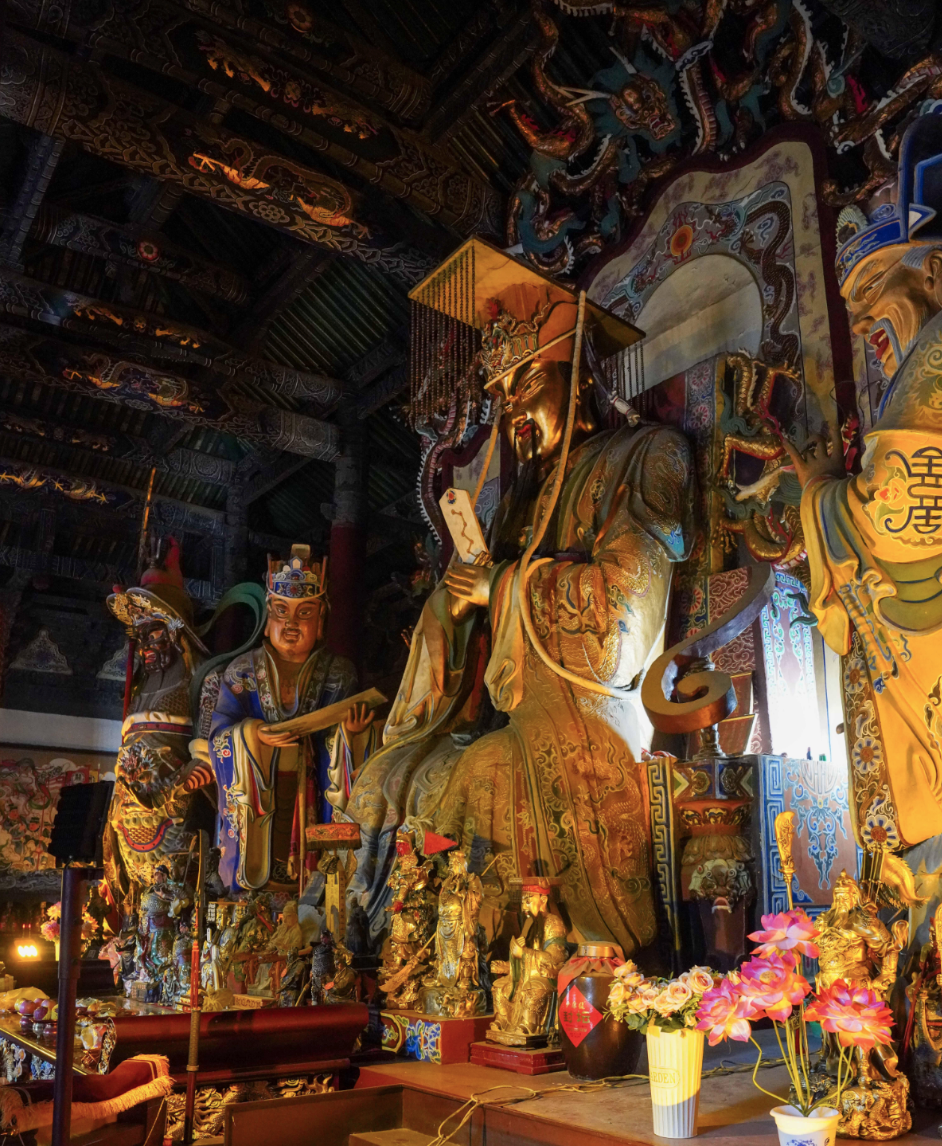
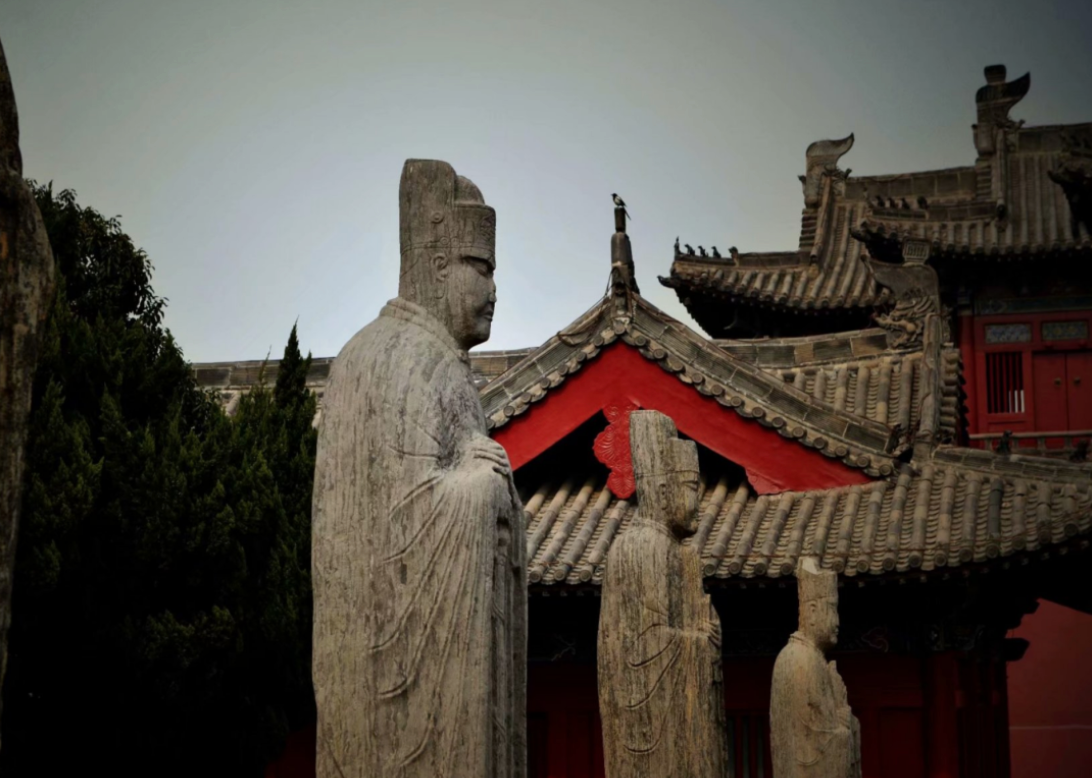
Guanlin, located in Guanlin Town, Luolong District, Luoyang City, Henan Province, is the burial site of the head of Guan Yu, a general of Shu during the Three Kingdoms period. It consists of a temple in front and a tomb in the back. It is one of the three major Guan temples at home and abroad. Among hundreds of Guan temples, it is unique in that it is called "Lin" (Forest). It is the only ancient classic building in China that combines a tomb, temple and forest into one.
Guanlin Temple was first built during the Wanli period of the Ming Dynasty and expanded during the Qianlong period of the Qing Dynasty. The existing buildings are mainly from the Ming Dynasty, forming a well-preserved ancient architectural complex. Guanlin's architecture follows the palace style, with a rigorous and magnificent layout. In front of the temple is a stage, and along the central axis are the main gate, ceremonial gate, passageway, worship hall, main hall, second hall, third hall, stone archway, stele pavilion, and Guan Yu's tomb. Symmetrical buildings of the same style are attached to both sides of the central axis. The most distinctive feature is the dance stage, which combines the hip-and-gable roof of the front stage with the gable roof of the back stage, creating a double-eaved pavilion. Its ingenious construction is rare in China, and it is also the location of the "Luoyang Ancient Art Museum".
NO.3—Tianning Temple

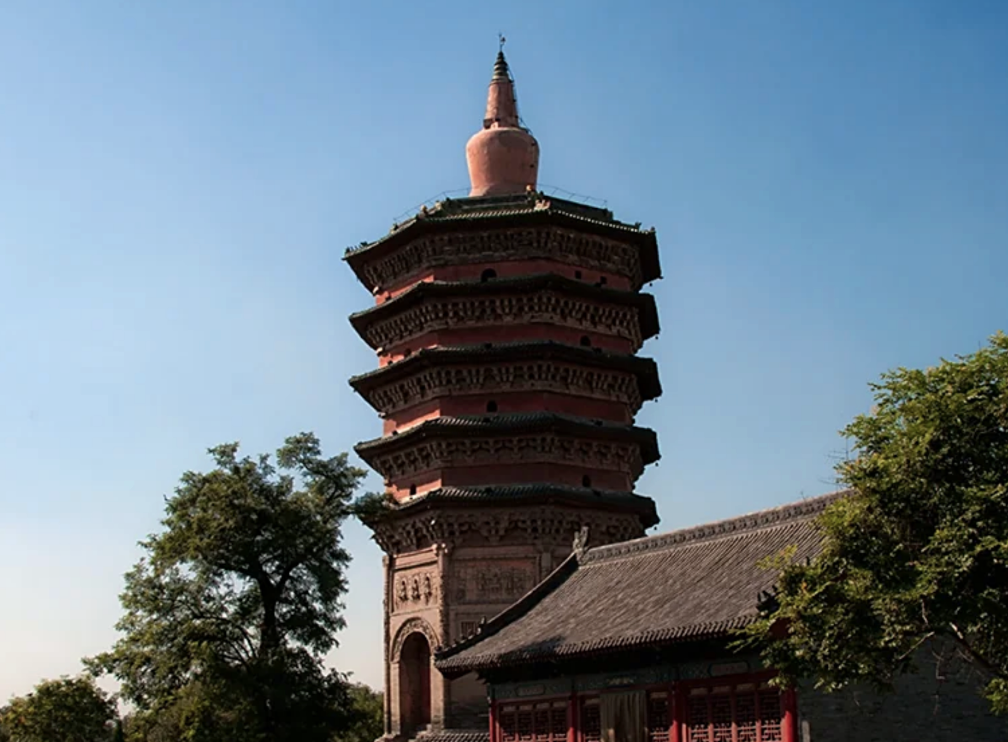
Tianning Temple, located in the northwest corner of Anyang City, Henan Province, was first built in the second year of Guangshun reign of the Later Zhou Dynasty (952 AD). It was rebuilt and renamed "Wenfeng Pagoda" in the thirty-seventh year of the Qianlong reign of the Qing Dynasty (1772 AD) under the supervision of Huang Bangning, the prefect of Zhangde. The existing temple is smaller in scale, with the main building, Wenfeng Pagoda, being an octagonal, five-story, densely-eaved brick and wood structure, standing 38.65 meters tall. Its shape resembles an umbrella, wider at the top and narrower at the bottom. The pagoda is decorated with eight sides of brick carvings depicting Buddhist stories and reliefs of two dragons playing with a pearl. A 72-step spiral staircase leads from the south entrance, gradually widening to the top. The platform at the top can accommodate two hundred people and offers panoramic views of Anyang and the Taihang Mountains in the distance.
NO.4—Longmen Grottoes

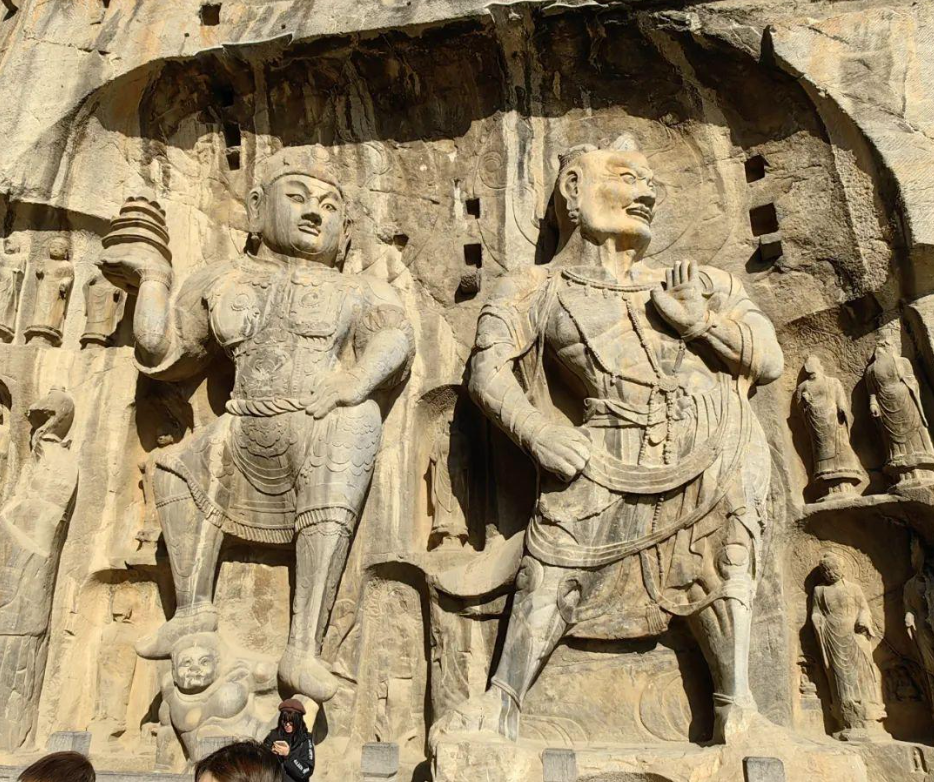
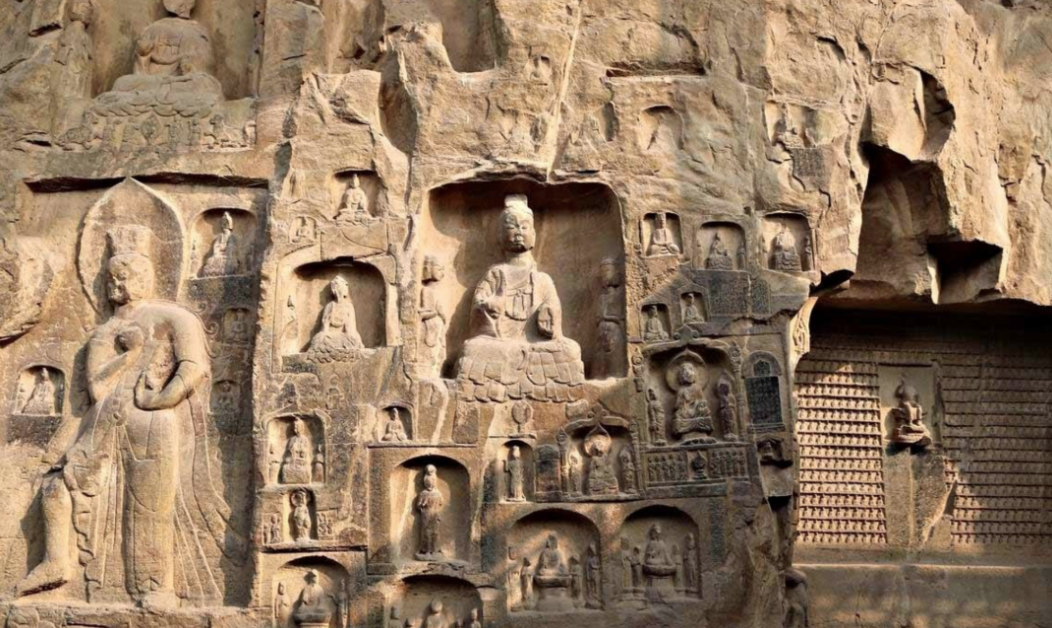
The Longmen Grottoes are the world's largest and most abundant repository of stone carvings, ranking first among China's major grottoes. Construction began during the reign of Emperor Xiaowen of the Northern Wei Dynasty, flourished in the Tang Dynasty, and ended in the late Qing Dynasty. Spanning over 1400 years and more than ten dynasties, it is one of the world's longest-running grotto complexes. Currently, there are 2345 caves and niches containing over 110,000 statues. Most of these statues were built by royalty and nobility, making it a unique royal grotto complex in the world.
The main attractions include the Vairocana Buddha modeled after Empress Wu Zetian, the Guyang Cave carved by Emperor Xiaowen for Empress Dowager Feng, the statues made by the grandson of Prince Lanling in the Wanfo Cave, the Binyang South Cave built by Li Tai for Empress Zhangsun, the Jingshan Temple carved by Consort Wei, and the Amitabha Buddha created by Gao Lishi for Emperor Xuanzong of Tang. Furthermore, foreigners from India, Silla, Tocharian, and Kangguo (Kangxi) carved and added statues, resulting in the discovery of European patterns and ancient Greek columns, making it arguably the most internationally-oriented grotto in the world.
NO.5—White Horse Temple

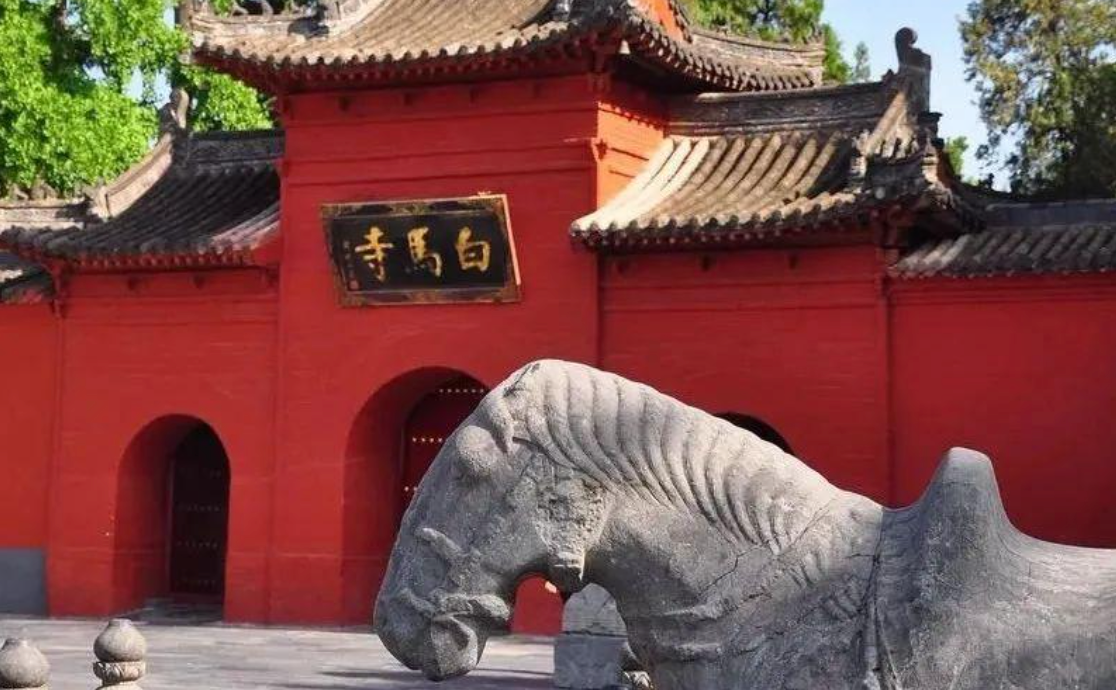
Baima Temple is the birthplace of Chinese Buddhism. Founded in the eleventh year of the Yongping era of the Eastern Han Dynasty (68 AD), it was the first officially established Buddhist temple built after Buddhism was introduced to China. It is considered the "source" and "ancestral temple" of Buddhism in China, Vietnam, Korea, Japan, and Europe and America. Its main cultural relics include two relics of Shakyamuni Buddha, ancient Chinese Buddha statues, and Yuan Dynasty eighteen Arhat statues made of hemp cloth.
NO.6—Gongyi Grottoes

Built in 517 AD (the second year of the Xiping era of the Northern Wei Dynasty), or according to another account, during the Jingming era (500-503 AD), the Shikusi (Stone Cave Temple) was originally named Xixuan Temple. It was renamed Shifang Jingtu Temple during the Song Dynasty and Shikusi Temple during the Qing Dynasty. It is an important Buddhist grotto in the Central Plains region and the place where Xuanzang of the Tang Dynasty became a monk. Many emperors, including Emperor Taizong of Tang, worshipped Buddha here. Behind the temple is a 120-meter-long cluster of grottoes containing tens of thousands of niches and statues. The "Emperor and Empress Worshipping Buddha" mural in the first grotto is the most complete and unique piece preserved in China, considered priceless.
NO.7—Song Dynasty Imperial Tombs

Of the nine emperors of the Northern Song Dynasty, except for Emperors Huizong and Qinzong who were captured by the Jin army and died in Wuguo City, the other seven emperors and Zhao Hongyin (father of Zhao Kuangyin) were all buried in Gongyi, collectively known as the "Seven Emperors and Eight Tombs". In addition, there are nearly a thousand tombs of empresses, imperial princes, grandsons of princes, and meritorious officials and generals such as Gao Huaide, Cai Qi, Kou Zhun, Bao Zheng, Yang Liulang, and Zhao Pu.
Construction of the Song Dynasty imperial tombs began in 963 AD and lasted for more than 160 years, forming a large-scale and magnificent royal mausoleum complex. It can be described as an open-air art museum and is an extremely valuable source of material for studying the Song Dynasty's institutional system and stone carving art.
NO.8—Yinxu Museum

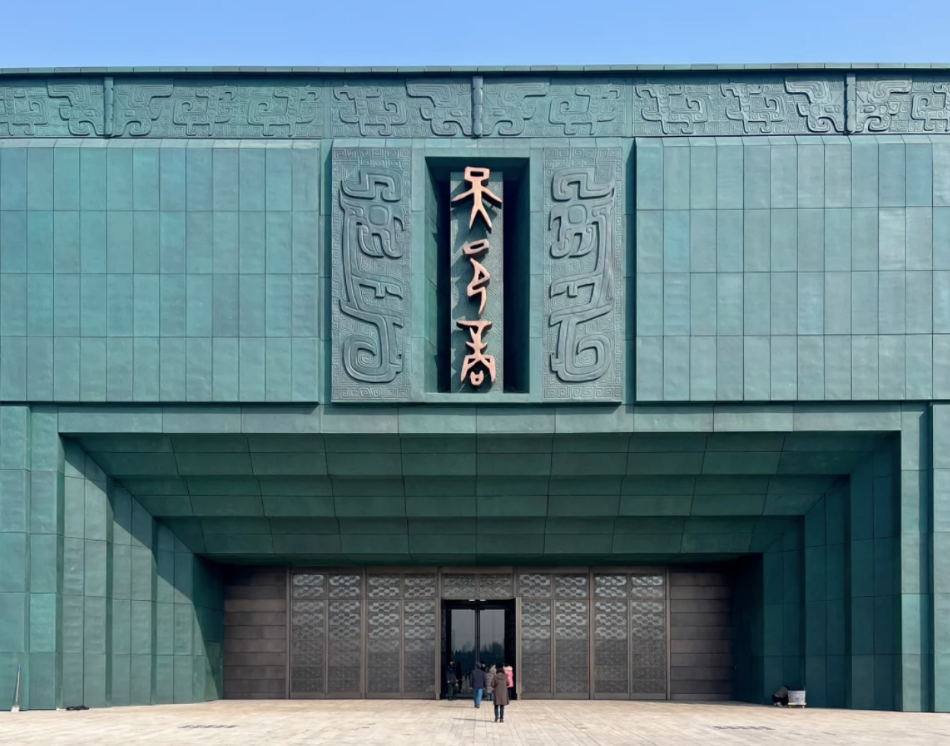
Yinxu is a spiritual symbol of the Chinese nation. It is the first capital city site of the late Shang Dynasty in my country that is documented in historical records and confirmed by archaeological excavations and oracle bone inscriptions. It is also the ancient capital city site in my country with the most archaeological excavations and the longest duration. It is known as the cradle of modern Chinese archaeology.
The new Yinxu Museum is located on the banks of the Huan River, facing the Yinxu Ancestral Temple and Palace Area across the river. It is the first national major archaeological museum to present a panoramic view of Shang civilization. It was built in the "central government and local government" co-construction model between the Anyang Municipal Government and the Institute of Archaeology of the Chinese Academy of Social Sciences. The total investment is about 1.06 billion yuan, covering an area of 262.5 acres, with a building area of 51,000 square meters and an exhibition area of about 22,000 square meters. The main building has 4 floors, 22 meters high and 146 meters wide, with 1 underground floor and 3 floors above ground.
In terms of architectural design, the new Yin Ruins Museum adopted the design scheme of Academician He Jingtang of South China University of Technology after a global solicitation and evaluation. It takes the "Shang Song" of the Book of Songs as its source, and takes the green fields and grass platforms, the tripod standing on the earth, the layered and deep, and the bronze decoration as its form. It takes the green, low-carbon and sustainable development model as its key point, and forms a "model of China and a temple of civilization" with the cultural connotation of Yin Ruins and archaeological significance.
In terms of exhibition layout, focusing on the theme of "The Great Shang Civilization," the exhibition features three basic displays, four thematic exhibitions, and one unique immersive digital exhibition. Nearly 4,000 pieces (sets) of cultural relics, including bronzes, pottery, jades, and oracle bones, are on display. The number of exhibited cultural relics is vast and diverse, with more than three-quarters of the precious relics being shown for the first time. From multiple perspectives, including Shang Dynasty history, oracle bone studies, archaeological history, and the global spread of Shang civilization, the exhibition comprehensively interprets the prosperous urban civilization, the perfect ritual and music civilization, the advanced bronze civilization, the brilliant writing civilization, and the superb handicraft technology of the Shang Dynasty, vividly presenting the important position and role of Shang civilization in the development history of Chinese civilization and even human civilization.
NO.9—Yue Fei Temple

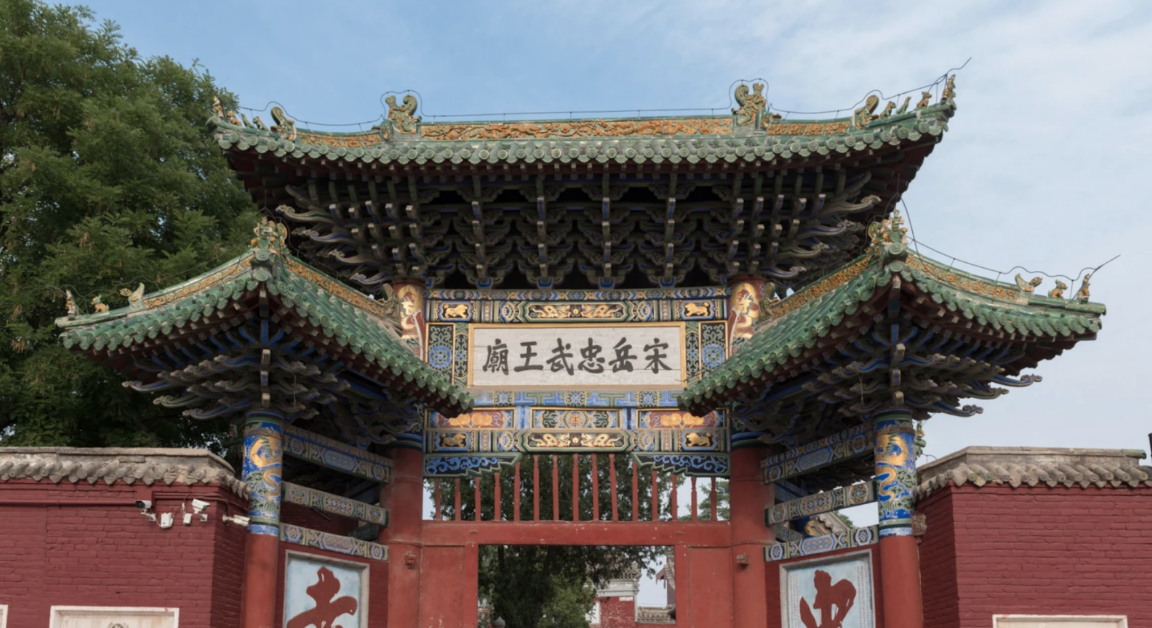
The Yue Fei Temple in Tangyin, also known as the Song Yue Zhongwu King Temple or Jingzhong Temple, is located at No. 86 Yue Temple Street, Tangyin County, Anyang City, Henan Province. Its original construction date is unknown, but it was rebuilt in the first year of the Jingtai reign of the Ming Dynasty (1450). It is divided into the ancient building area of Yue Fei Temple and the new building area of Yue Fei Memorial Hall, covering a total area of 18,100 square meters. It is a relatively well-preserved ancient building complex from the Ming and Qing Dynasties, one of the largest ancient building complexes in northern Henan, and one of the three major Yue Fei Temples in China.
The Yue Fei Temple in Tangyin faces south and has a rectangular outer perimeter. The layout is rigorous, and most of the existing buildings are from the Ming Dynasty. It has six courtyards and mainly consists of the Jingzhong Archway, the mountain gate, the Imperial Stele Pavilion, the main hall, the Yue Fei Mother Tattooing His Back Shrine, the Xiao'e Shrine, the Yue Yun Shrine, the Four Sons Shrine, and the Three Generations Shrine. There are more than 120 halls and buildings in total. It is a patriotic education base for later generations to commemorate the national hero Yue Fei and express their patriotic feelings.
NO.10—Anyang Museum

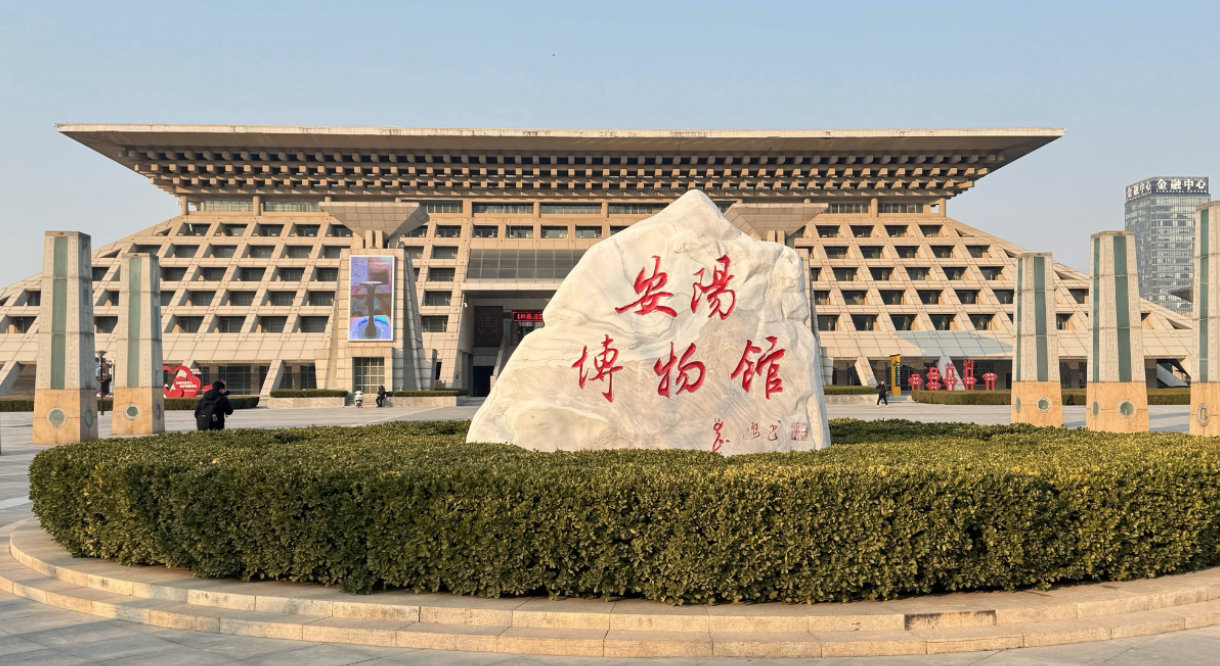
Founded in 1958, Anyang Museum now houses more than 100,000 cultural relics, including fossils, bronzes, oracle bones, jade, stone carvings, ceramics, coins, calligraphy and paintings, and modern and contemporary artifacts, spanning from the Paleolithic Age to modern times, fully reflecting the historical development of Anyang.
Registration Instructions
Assembly/Dissolution
●Meeting in Luoyang City on October 17, 2025 (Friday), and disbanding in Anyang City on October 22 (Wednesday). Please make appropriate arrangements for your itinerary before and after the meeting.
Precautions
●Our customer service will contact you 3 weeks in advance after you register. Please keep your WeChat and phone accessible.
●Children under 6 years old are not recommended to participate; minors aged 6-14 must be registered by a guardian.
Activity Fees
●The fee includes: meals, accommodation, transportation, and lectures by the instructor from the time of assembly until the end of the assembly period;
●The price does not include: round-trip transportation before and after the meeting, and other expenses not listed.
Worry-free refund policy
●If the event is cancelled due to reasons attributable to the organizer, all fees will be refunded.
●If the event is cancelled due to force majeure, all unused fees will be refunded;
●If you are unable to attend the event due to personal reasons, no refund will be given (spot is transferable). Please do not bid if you mind. Thank you for your understanding.