LIFEANO 给生活另一种可能
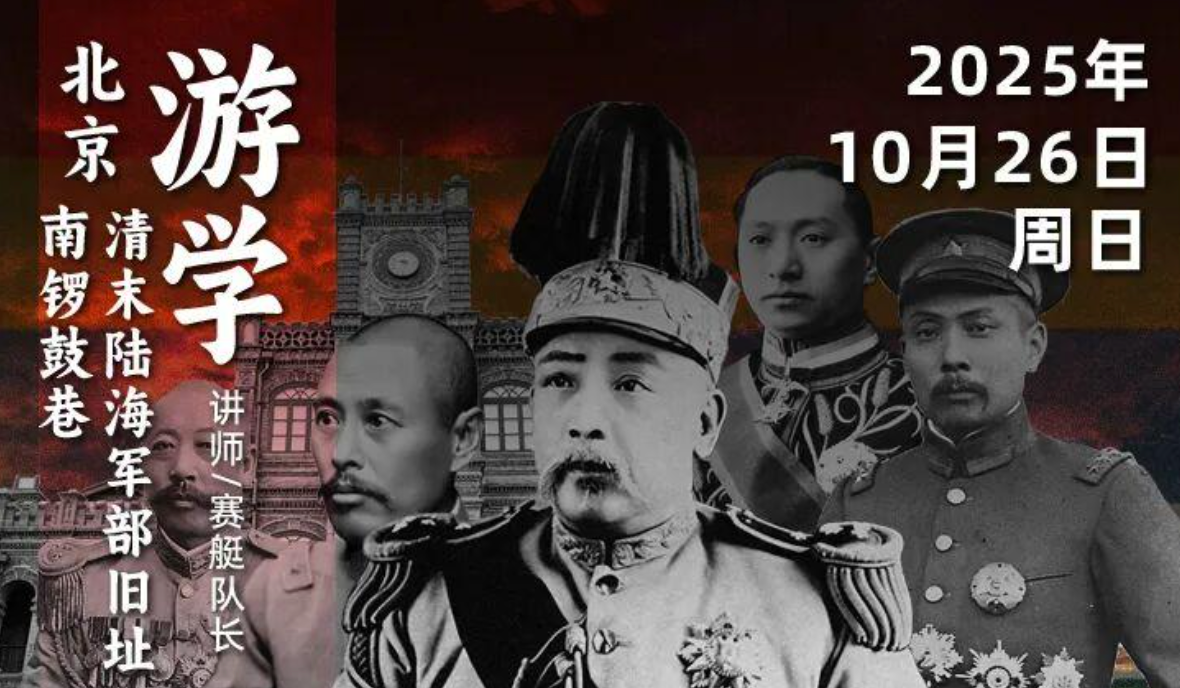
October 26, 2025 | Exploring Beijing: Rowing Captain Takes You Through the Deep History of the Beiyang Era
October 26, 2025 | Exploring Beijing: Rowing Captain Takes You Through the Deep History of the Beiyang Era
Out of stock
Couldn't load pickup availability
During the Beiyang era, Beijing served as the capital of China under the Beiyang government, and many political figures and celebrities of that time inevitably resided there. As time has passed, the politicians and warlords of the Beiyang era have long since faded from the historical stage, but traces of their lives are scattered in the alleyways and lanes of Beijing, inadvertently brushing past the hurried passersby.
So, how did the Beiyang era influence the course of Chinese history, and what legendary stories from that era are found in the old hutongs of Beijing? Let the rowing captain tell you all the answers.
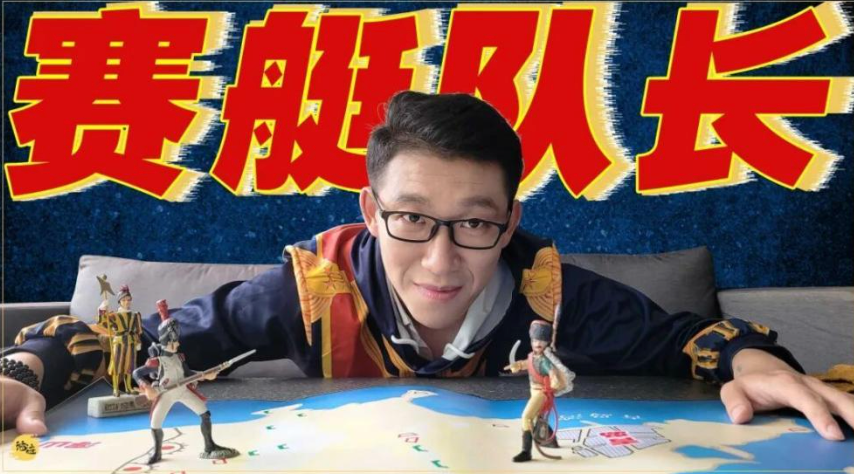
Teacher in charge

Special contributor and speaker for the Following the Trail Lecture Series
A first-generation military enthusiast, a second-hand poet, a vulgar crosstalk enthusiast, one of the four great modern naval enthusiasts, a young man from the Five Tombs, and a six-yuan bathhouse attendant.
His main lecture series include "The Spear That Never Sets: The British Royal Navy" and "Following the Trail to Talk".
Event Highlights
1. Former site of the Ministry of the Army and Navy in the late Qing Dynasty

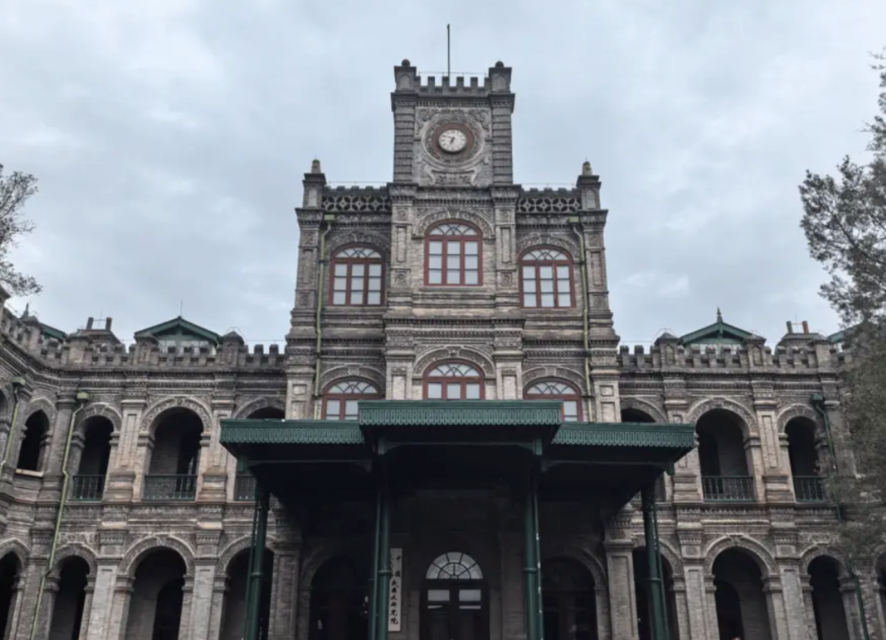
Today, No. 3 Zhang Zizhong Road, Dongcheng District, is the former site of the Ministry of the Army and Navy of the Qing Dynasty, and also the former site of Duan Qirui's government. It witnessed two pivotal moments in the rise and fall of the Beiyang era. In 1906, the Qing government carried out official system reforms and established the Ministry of the Army here. In 1910, the Ministry of the Navy was established, with its office building located to the east of the former Ministry of the Army. In 1912, Yuan Shikai assumed the office of Provisional President of the Republic of China, placing the Presidential Palace in the Ministry of the Army building (called the West Wing) and the State Council in the Ministry of the Navy building (called the East Wing). The following year, the Presidential Palace and the State Council moved to Zhongnanhai, and this site, following the old Qing Dynasty practice, remained the office building of the Ministry of the Army and Navy.
In 1924, Feng Yuxiang launched the Beijing Coup, placing President Cao Kun under house arrest in the Presidential Palace and appointing Duan Qirui as the provisional head of government. Since Cao Kun remained in the Presidential Palace, the government chose this location as its office. At this time, the Beiyang government was effectively controlled by Zhang Zuolin and Feng Yuxiang. Former Beiyang leaders were either placed under house arrest like Cao Kun or became mere puppets like Duan Qirui, marking the beginning of the Beiyang government's decline. In 1926, the "March 18th Massacre" occurred here, where Liu Hezhen, a character in Lu Xun's writings, died. Ironically, Liu Hezhen's principal, Yang Yinyu, who dedicated himself to protecting students, ultimately died at the hands of the Japanese invaders. Lu Xun, who repeatedly criticized Principal Yang in his writings, spent his later years in peace in the Japanese concession of Shanghai.
2. Gu Weijun's Former Residence

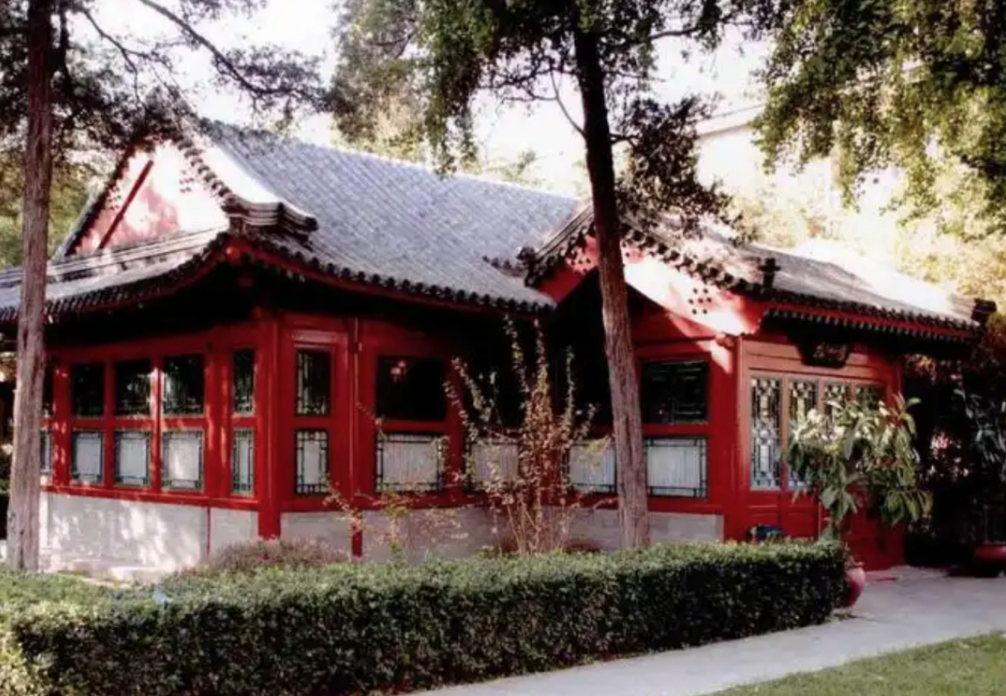
300 meters west of the Executive Yuan is Sun Yat-sen's Residence, originally the former residence of Foreign Minister Gu Weijun. After the Beijing Coup in 1924, Feng Yuxiang invited Sun Yat-sen to Beijing to discuss plans for establishing a "revolutionary government." At this time, Sun Yat-sen was already in the late stages of liver cancer. After arriving in Beijing, he began to have persistent high fevers. Despite treatment at Peking Union Medical College Hospital, he could not recover and thus sought treatment at this residence for traditional Chinese medicine. He passed away here in March 1925. Sun Yat-sen's life was full of ups and downs, and even in death, he could not find peace. The Beiyang Government and the Kuomintang were embroiled in a great deal of contention over what kind of funeral should be held for him and who should lead the organization.
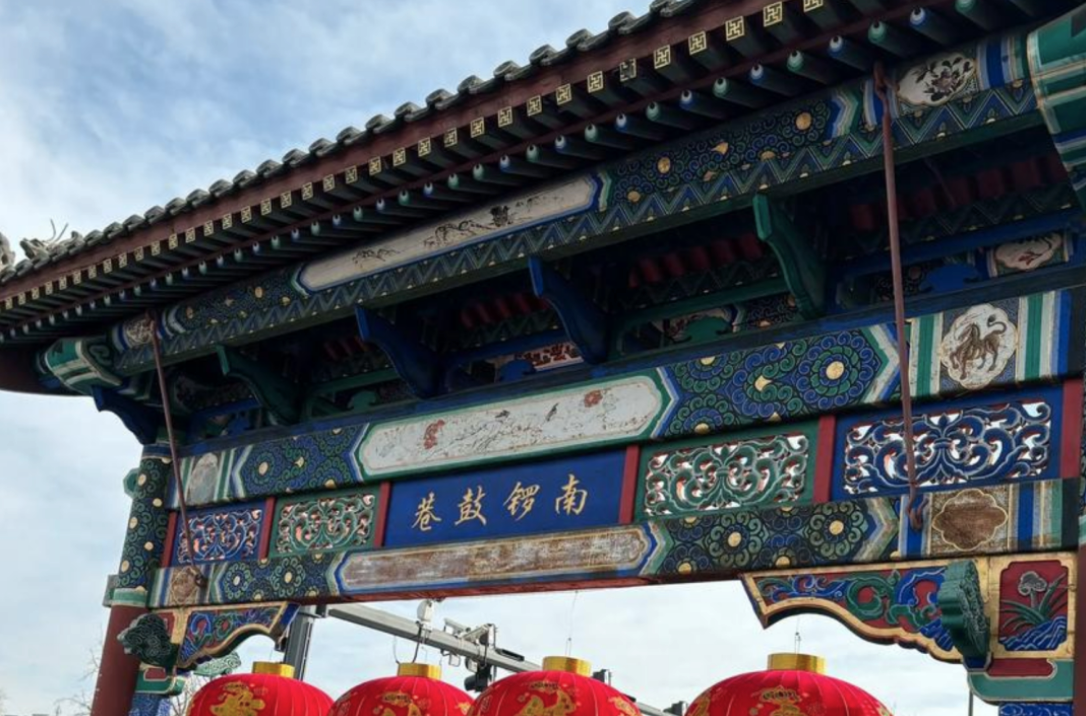
3. Nanluoguxiang

Not far from Sun Yat-sen's residence is Nanluoguxiang, where the former residences of Wu Peifu, Feng Shan, Feng Guozhang, and others are located. They all played a key role in the Beiyang era, whether in a minor or major way.
Evaluating the history of the Beiyang period today is a particularly complex task. They were neither purely patriotic heroes nor political manipulators who brought ruin to the country. They were a group of self-interested individuals with their own interests, yet willing to respect the rules. The turmoil of the Beiyang era made it difficult for the official assessment to be straightforward, resulting in each figure being presented with multifaceted characteristics. The allure of the Beiyang era lies in our ability to see them from multiple perspectives, presenting them as living, breathing people, rather than as "great men who were unbelievably great, or evil men who were unbelievably wicked." I appreciate this authenticity, which is why I enjoy modern history.
Registration Instructions
Event Time
● Sunday, October 26, 2025
Precautions
●Our customer service will contact you 3 days in advance after you register. Please keep your WeChat and phone accessible.
●Children under 6 years old are not recommended to participate. Minors aged 6-14 and seniors over 70 years old must be accompanied by a family member to register.
Event Location
●Beijing - Former site of the late Qing Dynasty Army and Navy, Nanluoguxiang
*After successful registration, you must proceed to the meeting point on your own to participate in the activity. The group will disperse at the end of the activity.
Number of participants
● No more than 30 people
●Children under 6 years old are not recommended to participate. Minors aged 6-12 and seniors over 70 years old must be accompanied by a guardian.
●Refuse last-minute, unannounced arrivals
Activity Fees
●The fee includes: expert lectures; full-time tour leader service; audio guide.
●The price does not include: round-trip travel before and after the meeting; other personal expenses.
Worry-free refund policy
●If the event is cancelled due to reasons attributable to the organizer, all fees will be refunded.
●If the event is cancelled due to force majeure, all unused fees will be refunded;
●If you are unable to attend the event due to personal reasons, no refund will be given (spot is transferable). Please do not bid if you mind. Thank you for your understanding.